A Homeowner’s Guide to Checking & Replacing Fiberglass Batt Insulation
When it comes to comfort, energy savings, and protecting your home, insulation plays a bigger role than most homeowners realize. If you house isn’t a new build, chances are your insulation hasn’t been inspected in years - if ever. The good news? you don’t need a formal inspection process to evaluate and improve your insulation, especially when working with fiberglass batt insulation.
Here’s a practical, homeowner- friendly guide to checking your existing insulation and deciding when it’s time to replace or upgrade it.
Why Insulation Matters More Than You Think
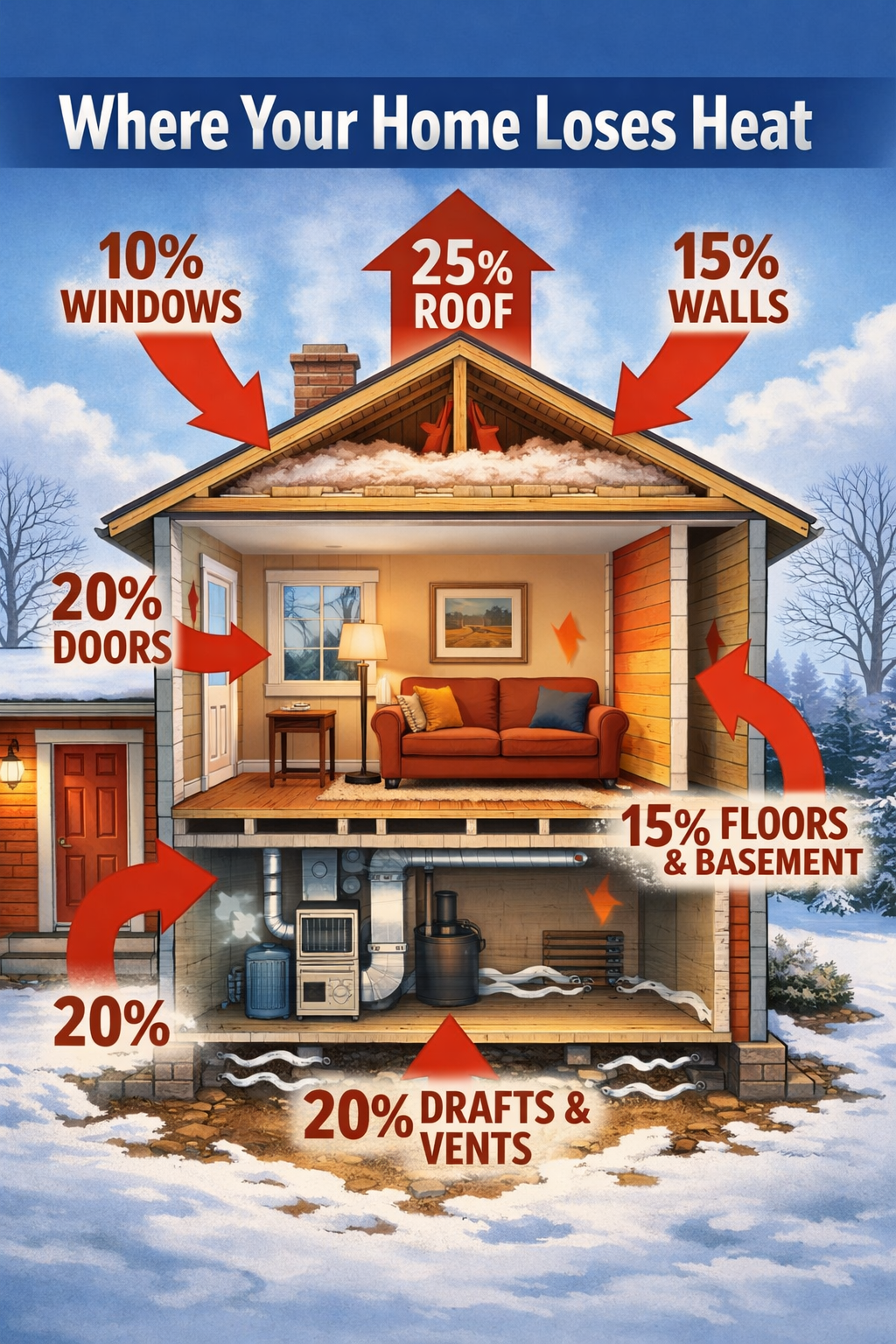
Insulation isn’t just about staying warm in the winter - it also helps to reduce energy bills year round, prevent moisture building and mold issues, improves indoor air comfort, and even reduces strain on your HVAC system. If your home feels drafty, uneven in temperature, or your energy bills are creeping up, your insulation may be the culprit.
Signs Your Insulation Needs Attention
Fiberglass batt insulation is common in walls, attics, and ceilings, but it doesn’t last forever; especially if exposed to moisture or improper installation. What are some signs it’s time to take a closer look?
Uneven Temperatures: If some rooms are noticeably colder or hotter than others, insulation gaps or deterioration could be to blame.
Higher Energy Bills: A sudden increase in heating or colling costs often points to reduced insulation efficiency.
Visible Damage or Compression: Fiberglass batts should be fluffy and full. If they’re flattened, torn, or sagging they are no longer doing their job effectively.
Over Insulating: Overstuffing a wall, for example with 8” thick in a 6” stud wall, actually reduces its effectiveness instead of improving it. When insulation is compressed, it losses the air pockets that trap heat, lowering its overall r-value.
Pest Activity: Rodents and insects love nesting in insulation. if you see droppings or tunnels, it’s time to remove and replace affected areas.
How to Inspect Your Insulation Yourself: You don’t need special tools - just a flashlight, gloves, and a bit of time.
Step 1: Check the attic first. Your attic is the easiest and most important place to inspect. Look for consistent coverage between joists. Check for gaps, thin spots, or exposed ceiling areas. Note any discoloration (this can be a sign of moisture).
Step 2: Inspect exterior walls where possible. If you have unfinished walls (like in a basement or a garage), take a look. Are the batts snug between studs? Are there gaps or areas where insulation is missing? Is it compressed behind wiring or plumbing?
Step 3: Look around your windows and doors. Drafts near openings can indicate missing or poorly installed insulation nearby.
When to Replace vs. Add More Insulation
Not all situations require a full replacement. Replace your insulation if it is any of the following: wet/moldy, heavily compressed or falling apart, if there is pest contamination, or if you see misaligned batts & gaps. So when do you just add more insulation? If the existing batts are in decent shape but insufficient, if you want to improve you home’s r-value, and if energy efficiency upgrades are your goal.
How Often Should You Check Your Insulation? For existing homes, a good rule of thumb is do a quick visual check once a year, a full inspection every 3 to 5 years, and of course the dreaded immediate check when you come across a roof leak, pest issues, or major weather events.
Final Thoughts
You don’t need a building inspector to take control of your homes insulation performance. A simple walkthrough and a bit of attention can go a long way in identifying issues and improving comfort. Fiberglass batt insulation is one of the most accessible and cost-effective materials to work with, making it a great option for homeowners looking to upgrade without breaking the bank. If you’ve never checked your insulation before, now is the perfect time. A few hours of effort today can lead to years of savings and comfort.
Looking to replace or upgrade your insulation? Make sure you choose quality materials and install them properly - it makes all the difference. Check out our huge supply of options, sizes, r-values, etc. right here at Hetch’s. We are literally out of places to store it!